
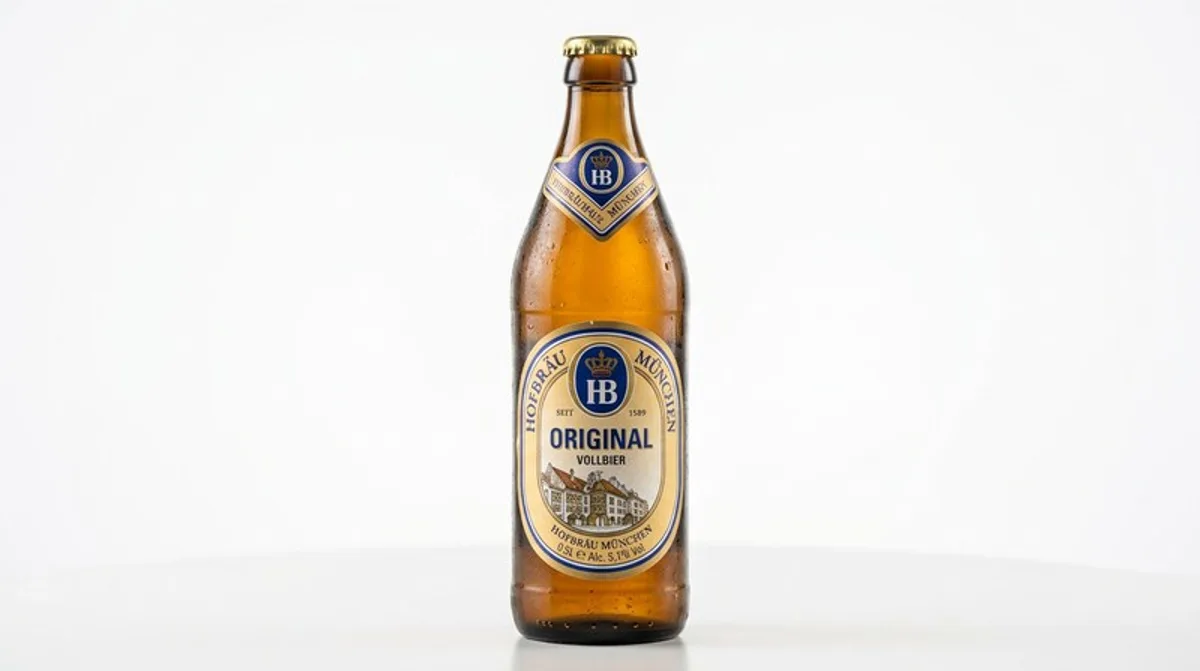
Beer Bottles: More Than Just a Drinking Vessel – A Guide
Beer bottles are long since more than just a practical drinking vessel. Whether as a collector's item, stylish bar accessory, or original gift idea – they have a lot to offer.
Beer and Germany – that's a connection as natural as apples and streusel cake. But what would that delicious brew be without its vessel? The beer bottle, often underestimated, is more than just a container for the golden drink. It's a brewery product, a potential collector's item, a decorative element, and sometimes even a perfect gift. This guide explores the fascinating world of beer bottles and shows you how to appreciate, collect, and maybe even use them for your own bar or as a souvenir.
What You Should Know
The history of the beer bottle is closely linked to the development of the brewing industry. In the past, beers were transported in clay jugs or wooden barrels, which were associated with hygiene and durability problems. The introduction of the glass bottle in the 19th century revolutionized beer production and distribution. Nowadays, there is an immense variety of beer bottles, from the classic light green "export bottles" to artistically designed specialties. The shape, color, and design are not only aesthetic aspects but are often also associated with the brewery, the beer variety, and even the region. It's fascinating how much culture and tradition can be contained in a simple glass bottle.
An important difference lies between the different types of bottles: Export bottles are the typical, mostly light green bottles, which are used for many beer styles. Crown cap bottles are sealed with a crown cap, while brown glass bottles are often chosen for dark beers, such as stouts or porters, to protect the beer from light and preserve the aroma. Sometimes you can also find design bottles, which are distinguished by special shapes or decorations and are often positioned as a premium product.
- Material & Durability: Beer bottles are usually made of glass, which is recyclable. Pay attention to the quality of the glass – thicker glass is often a sign of a more robust bottle.
- Shape & Design: The shape of the bottle can say a lot about the contents. Look for unique designs that reflect the history of the brewery or the characteristics of the beer.
- Label & Branding: The label is often a work of art in itself. It contains important information about the beer and is an important element of branding.
- Collector Type: Decide whether you collect by brewery, beer type, design, or vintage year.
- Storage: Store your collected bottles in a cool, dark place to preserve the quality of the glass and the readability of the label.
Practical Tips
The world of beer bottle collecting can be as deep as you want it to be. Here are a few tips to build and maintain your collection: