
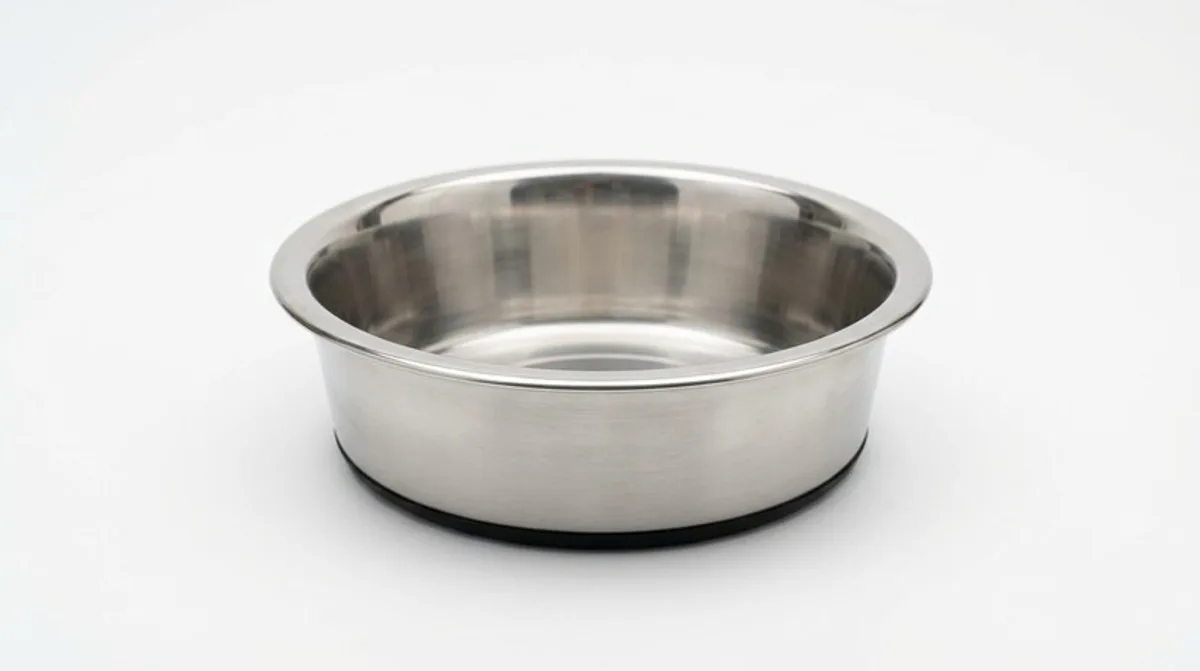
Stainless Steel Pet Bowls: The Ultimate Guide for Dogs & Cats
Stainless steel pet bowls are a great alternative to plastic and ceramic. In this guide, you'll learn everything about the benefits, materials, and what to look for when buying.
Your loyal companion deserves only the best! A clean and reliable bowl is essential for the health and well-being of dogs and cats. But with the huge selection of food and water bowls available, it's easy to feel overwhelmed. In this comprehensive guide, we'll focus on stainless steel pet bowls – we'll explain why they're the perfect choice for your pet and give you practical tips for selection and care.
What You Should Know
Stainless steel pet bowls have become the preferred choice for pet owners in recent years, and for good reason. Compared to plastic or ceramic bowls, they offer numerous advantages. But what exactly makes a stainless steel pet bowl so special?
The Benefits at a Glance:
- Pet-Friendly & Hygienic: Stainless steel is an inert material, meaning it doesn't react with food or water. This prevents unpleasant odors and reduces bacteria formation – an important factor for your pet's health. Plastic, on the other hand, can harbor bacteria and mold that are difficult to remove.
- Durable & Long-Lasting: A good stainless steel pet bowl will last for years. It is resistant to scratches, bumps, and wear – ideal for energetic dogs and playful kittens.
- Corrosion Resistant: High-quality stainless steel is corrosion-resistant, meaning it won't rust, even when in contact with water. This guarantees a long lifespan and hygienic food and water provision.
- Easy to Clean: Stainless steel pet bowls are super easy to clean. A quick wash under running water or in the dishwasher is all it takes to keep them clean.
- Aesthetically Pleasing: Stainless steel pet bowls look chic and modern and fit well in any home.
What to Look for When Choosing:
- Material Quality: Look for stainless steel grade 304 (also known as "surgical stainless steel"). This grade is particularly high quality and rust-proof.
- Size & Shape: The size of the bowl should be appropriate for the size of your pet. Large dogs, of course, need a larger bowl than a small cat. The shape also plays a role: shallow bowls are often better for cats, as they are not so deep and do not hinder purring while eating.
- Height: For older or arthritic animals, an elevated bowl can make eating easier and relieve neck strain.
- Non-Slip Bottom: A non-slip bottom prevents the bowl from slipping and your pet from wasting food.
- Double Design: For dogs who like to tip everything over, there are special stainless steel pet bowls with a double design, where the bowl sits in a heavy ring.