
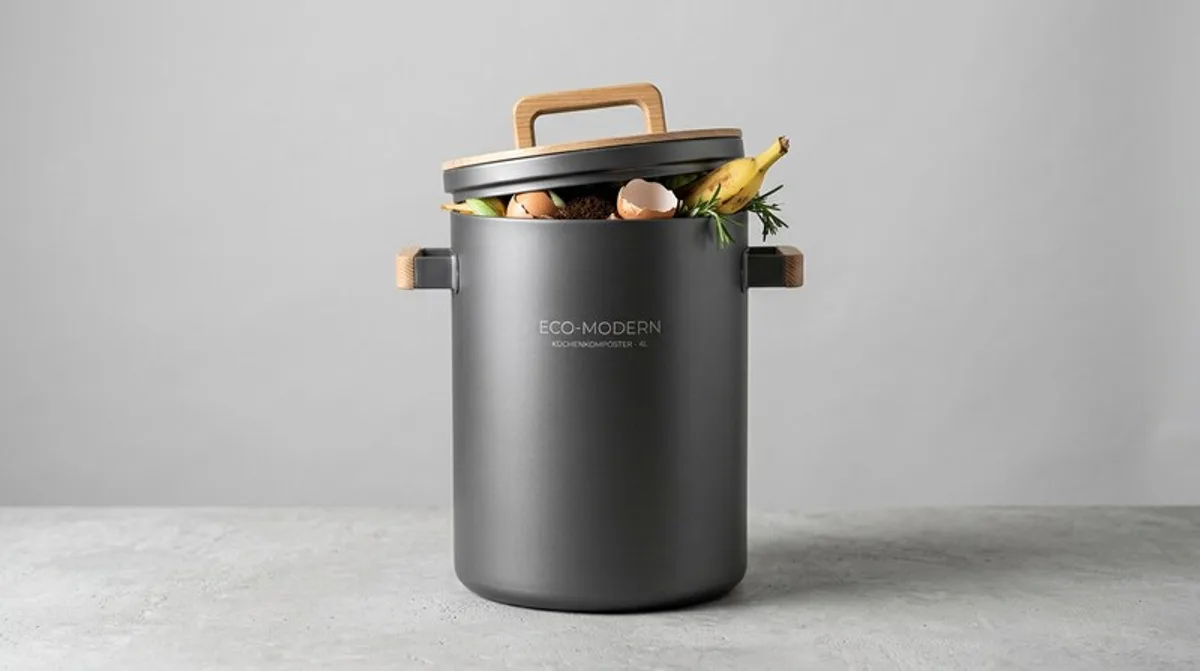
Compost Bin Comparison: The Best Models for You
Composting is good for the environment and your garden. Discover the best compost bins, composters, and worm composters with great savings offers in our guide!
Growing concern for our environment and increasing awareness of sustainability are leading many gardening enthusiasts and homeowners to find a useful way to dispose of their organic waste. Composting is a wonderful way to transform organic waste into valuable fertilizer for the garden while simultaneously reducing landfill waste. But which compost bin is right for you? This article explores the different options – from classic garden composters to worm composters – and helps you make a decision.
What You Should Know
Before you decide on a compost bin, you should consider a few factors. The size of your garden, the amount of organic waste you produce, and your personal time commitment all play a role. The space you have available is also important. While a large composter requires space outdoors, a worm composter can also be accommodated on a balcony or in an apartment.
There are basically four main types of compost bins:
- Garden Composters (open or closed models): These are ideal for larger gardens and larger amounts of organic waste. They can be made of wood, plastic, or metal and often offer plenty of space for garden waste, kitchen scraps, and leaves. Closed models offer better protection from pests and odors.
- Worm Composters (worm toilets): These use earthworms to break down organic waste. They are particularly suitable for smaller gardens, balconies, or even indoors and produce high-quality fertilizer (worm humus) and liquid fertilizer (worm castings).
- Organic Waste Containers (with or without rotation): Often made of plastic, they are mainly used for temporary storage of organic waste before it goes into the garden composter or is disposed of. The rotating models make filling and emptying easier.
- Rolling Composters: A type of garden composter that is mounted on wheels. This allows for easy turning of the compost, which accelerates the decomposition process and ensures better mixing.
Checklist for Choosing the Right Compost Bin:
- Space Requirements: How much space is available?
- Organic Waste Amount: How much organic waste do you produce per week?
- Time Commitment: How much time do you want to invest in composting?
- Odor Formation: Is odor formation an important criterion?
- Pest Protection: Do you want to protect the compost from pests?
- Budget: What are you willing to spend on the compost bin?
Practical Tips
Composting is more than just throwing organic waste into a container. Here are a few tips for successful composting: