
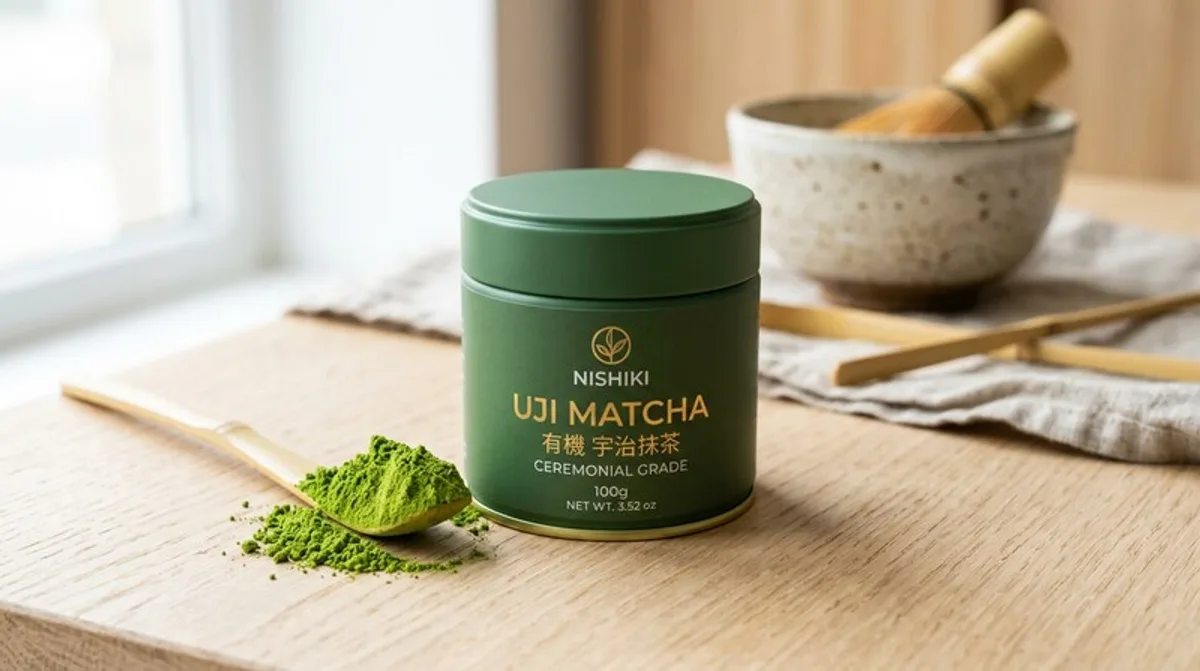
Matcha: Superfood, Tea & Recipes – Your Guide
Matcha is more than just green tea – it's a superfood packed with antioxidants and a versatile ingredient for your kitchen. Learn everything about preparation, health benefits, and where to buy matcha powder affordably.
Matcha is everywhere, and for good reason! This vibrant green powder has evolved from a Japanese secret tip to a global superfood. But what's behind the hype? In this guide, you'll learn everything about Matcha: from its origin and preparation to delicious recipes and clever money-saving tips.
What you should know
Matcha isn't your average tea. It's powdered green tea made from the leaves of the Camellia sinensis plant. The difference lies in the cultivation and processing. The tea plants are shaded before harvest, which promotes the production of chlorophyll and L-theanine (a relaxing amino acid). The leaves are then steamed, dried, and ground into a fine green tea powder. When preparing matcha, you consume the entire leaf, allowing you to absorb all the valuable ingredients at once. This makes matcha significantly stronger and more nutritious than conventional green tea.
Why is Matcha so healthy? Matcha is packed with antioxidants, especially catechins, which protect against cell damage and strengthen the immune system. It also contains important vitamins and minerals like Vitamin C, Vitamin A, iron, and potassium. In addition, matcha has a mood-boosting effect and can improve concentration – thanks to the L-theanine, which provides a calm focus, unlike the often jittery effect of coffee.
- Quality is crucial: Pay attention to high-quality matcha, ideally from Japan. Good matcha has a vibrant green color and a sweet, umami-like taste. Avoid powders with yellowish or brownish discoloration, as this indicates inferior quality.
- Matcha varieties: There are different matcha qualities, divided into "Ceremonial Grade" (for the traditional tea ceremony), "Premium Grade," and "Culinary Grade" (for baking and cooking). Ceremonial Grade is the finest and has the most intense flavor.
- The right preparation: For a classic matcha tea, you need a matcha whisk (chasen), a matcha bowl (chawan), and hot (not boiling!) water. Use a sieve to avoid clumps.
- Matcha and wellness: Matcha can not only be enjoyed as tea, but also in smoothies, bowls, desserts, or even in skincare products.
- Storage: Store matcha in an airtight container, preferably in a cool, dark place, to preserve its freshness and color. Direct sunlight and moisture can affect the quality.
Practical tips
The world of matcha is diverse! Here are a few tips on how to incorporate this green superfood into your kitchen:
- Matcha Latte: A great alternative to coffee! Mix matcha with