
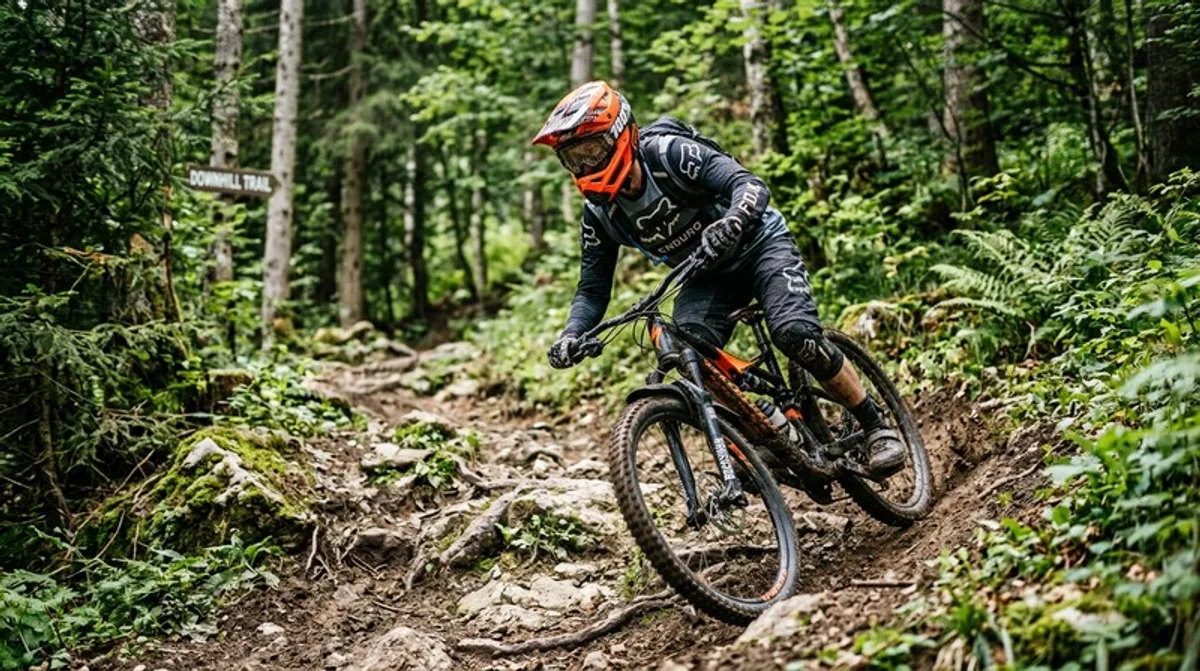
Mountain Bike Adventures: Trails, Forest & Helmet Safety
Mountain biking in the forest is a fantastic experience! We'll give you tips on choosing the perfect trail and the right safety gear so your adventure is safe and unforgettable.
The call of the forest, the crunch of tires on loose terrain, the adrenaline rush of conquering a challenging section – mountain biking is more than just a sport, it's an adventure. Whether you're an experienced trail rider or a complete beginner, the combination of challenging terrain, the beauty of nature, and the feeling of freedom makes mountain biking a unique experience. This article will accompany you on your journey, explain the most important aspects, and give you tips for a safe and fulfilling mountain bike experience.
What You Should Know
Before you venture into the forest, it's important to understand a few basic things. Mountain biking is a sport that comes with risks. The condition of forest roads and trails can be unpredictable: roots, rocks, mud, and inclines challenge you physically and technically. The right equipment and responsible handling are therefore essential. A mountain bike isn't just a bicycle. It's specifically designed for rough terrain, with a more robust frame construction, suspension, and wider tires. Choosing the right trail depends on your skill and experience. Start with easier trails and gradually increase the difficulty.
Practical Tips
Theory is important, but practice often teaches best. Here are some tips to help you make your mountain bike adventures safer and more enjoyable: