
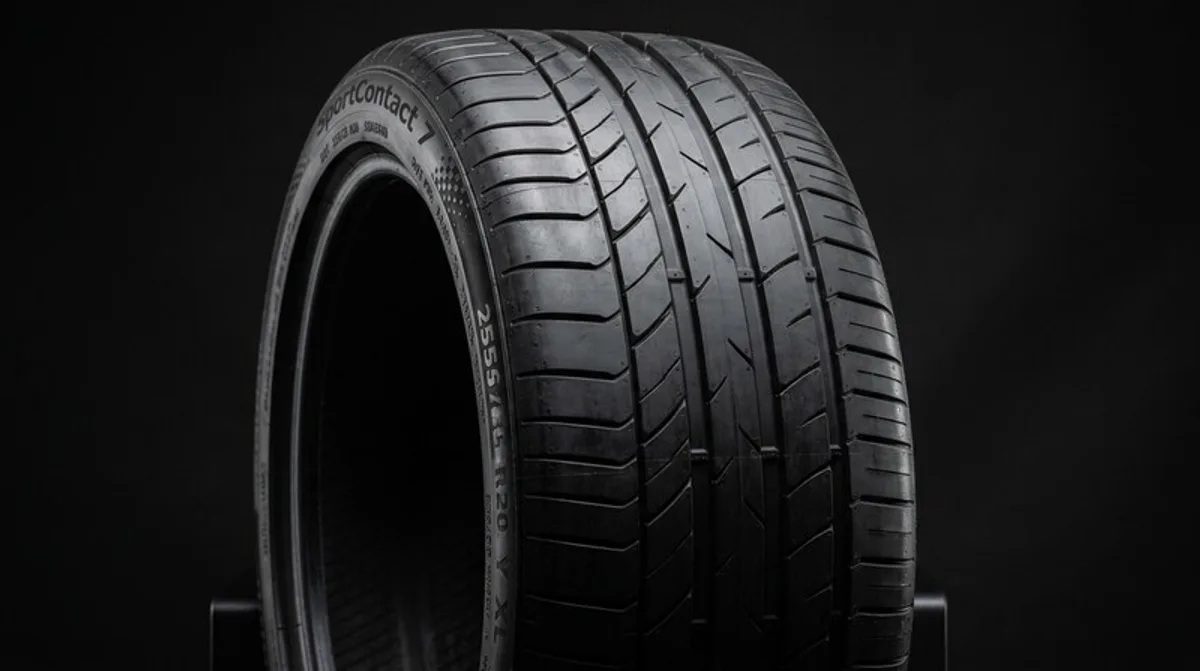
Tire Deals & Tests: Summer, Winter, and All-Weather Tires
Find the best tire deals for your car! We compare summer, winter, and all-season tires, provide test results, and help you find the right tire for your needs.
The right tires are essential for your safety on the road. They are the only contact point between your vehicle and the road surface and significantly influence braking distance, handling, and driving comfort. But the selection is huge: summer tires, winter tires, all-weather tires – which one is right for you?
In this blog post, we explain the main differences between the various tire types, give you practical tips for buying tires, and show you how to save money cleverly. We comprehensively cover the topic of car tires, tire tread, rubber tires, and vehicle tires so that you are well informed.
What You Should Know
Before you can buy new tires, you should know some basic things about tires and their markings. The tire size is, for example, indicated by numbers such as 205/55 R16. The first number (205) indicates the tire width in millimeters, the second (55) indicates the aspect ratio (i.e., the ratio of the sidewall height to the tire width), and the third (R16) indicates the rim diameter in inches. You can find these details on the inside of your car's trunk lid or in the owner's manual.
The speed and load index are also important. The speed index (e.g., "V" for 240 km/h) indicates the maximum permissible speed with the tires. The load index (e.g., "91") indicates the maximum weight that the vehicle is allowed to carry with these tires. Make sure that the new tires meet or exceed the specifications of the old tires.
A crucial factor is the tire tread patterns. Summer tires have a tread pattern that is optimized for dry and wet roads and offers good grip. Winter tires, on the other hand, have a special tread pattern with sipes that adapt to cold and snow and provide optimal grip. All-season tires try to combine the advantages of both worlds, but are usually a compromise.
- Summer Tires: Ideal for warm temperatures and dry roads. Offer excellent grip and short braking distances.
- Winter Tires: Required when there's snowfall and icy conditions. Improve traction and enable safer driving in winter conditions.
- All-Season Tires: An all-around solution for moderate climates. Offer a compromise between summer and winter characteristics.
- Tire Tread Depth: The minimum tread depth is 1.6 mm. It is recommended to replace tires when the tread depth is 3 mm or less, as safety decreases significantly.
- Tire Pressure: The correct tire pressure is crucial for fuel consumption, wear, and driving safety. Check the tire pressure regularly and adjust it if necessary.
Practical Tips
The choice of the right tire depends on various factors, such as driving style and climatic conditions