
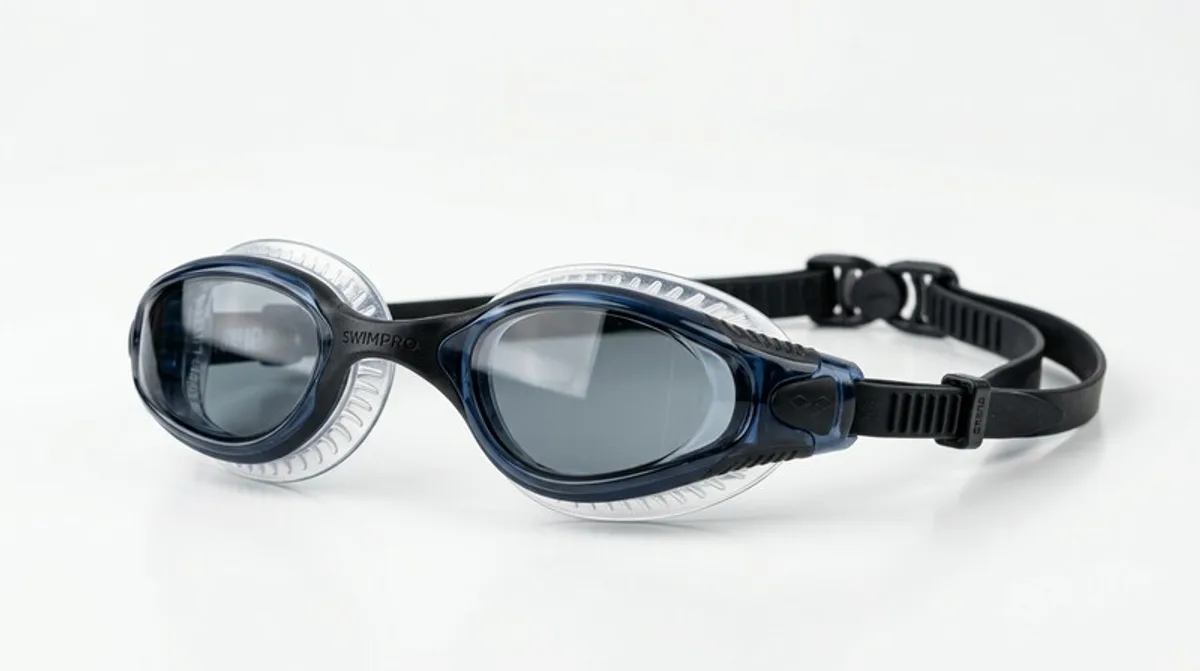
Swim Goggles & Watersports Goggles: Tests & Deals
Discover the best swim goggles and watersports goggles for every need – from swim training to diving adventures. We'll show you the top models, current deals, and what to look for when buying.
Summer is approaching, and with it, the longing for refreshing hours in the water. Whether in the pool, lake, or on vacation – a good watersports goggle is essential. But which swim goggles are right for you? Whether you're an experienced diver, an enthusiastic snorkeler, or just an occasional swimmer, the selection is huge. This guide will help you make the best decision!
What you should know
The terms swim goggles, diving mask, and watersports goggles are often used synonymously, although there are subtle differences. A swim goggles is primarily designed for swimming in pools or shallow waters. It is usually lighter and offers a good overview. A diving mask is intended for deeper dives and is characterized by a more robust construction and often a larger lens area to optimize visibility. A watersports goggles is an umbrella term that includes both swim and dive goggles and is often used for activities such as snorkeling or stand-up paddling.
Who is each goggle suitable for? Children and teenagers often need special kids' or youth swim goggles, as these are tailored to their needs in terms of fit and design. Men's and women's swim goggles often differ only slightly in shape to accommodate different facial shapes. Important is that the goggles fit snugly and no water can enter.
Important properties to look for:
- Seal: The A and O! A leaky goggle is frustrating and can lead to eye irritation. Look for a good seal through a silicone rim.
- Anti-fog coating: Fog is the curse of every watersports goggle. A good anti-fog coating keeps the view clear. However, this coating wears off over time.
- UV protection: The sun reflects strongly from the water. Good UV protection protects your eyes from harmful radiation.
- Field of view: The larger the field of view, the better the orientation in the water.
- Comfort: The goggles should fit comfortably and not pinch.
- Material: Silicone is a popular material for seals because it is skin-friendly and fits well. The lenses can be made of polycarbonate or glass. Polycarbonate is more shatter-resistant, while glass often offers better optical quality.
Tips from practice
Avoid fog: Even with an anti-fog coating, fog can occur. Spit on the inside of the lenses before putting them on or use special anti-fog sprays. Clean the lenses regularly with warm water and mild dish soap. Avoid aggressive cleaning agents, as these can damage the coating.
The right