The Best Yoga Mat: Test, Guide & Deals
The right mat is crucial for your workout or meditation. Discover the best yoga mats, fitness mats, and more in our guide – including great savings!
Finding the perfect mat can be a real challenge for yoga lovers, fitness enthusiasts, and anyone who values a protected workout area. There are so many different options – from the classic yoga mat to the robust fitness mat and the soft Pilates mat. In this guide, we'll cover the most important aspects so you can find the best mat for your needs and save money in the process!
What You Should Know
The variety of mats is simply overwhelming. But what do the different names actually mean? And what's the difference between a yoga mat, a fitness mat, a Pilates mat, or an anti-slip mat? Basically, many terms are interchangeable, but there are subtle differences in material, thickness, and suitability for specific activities.
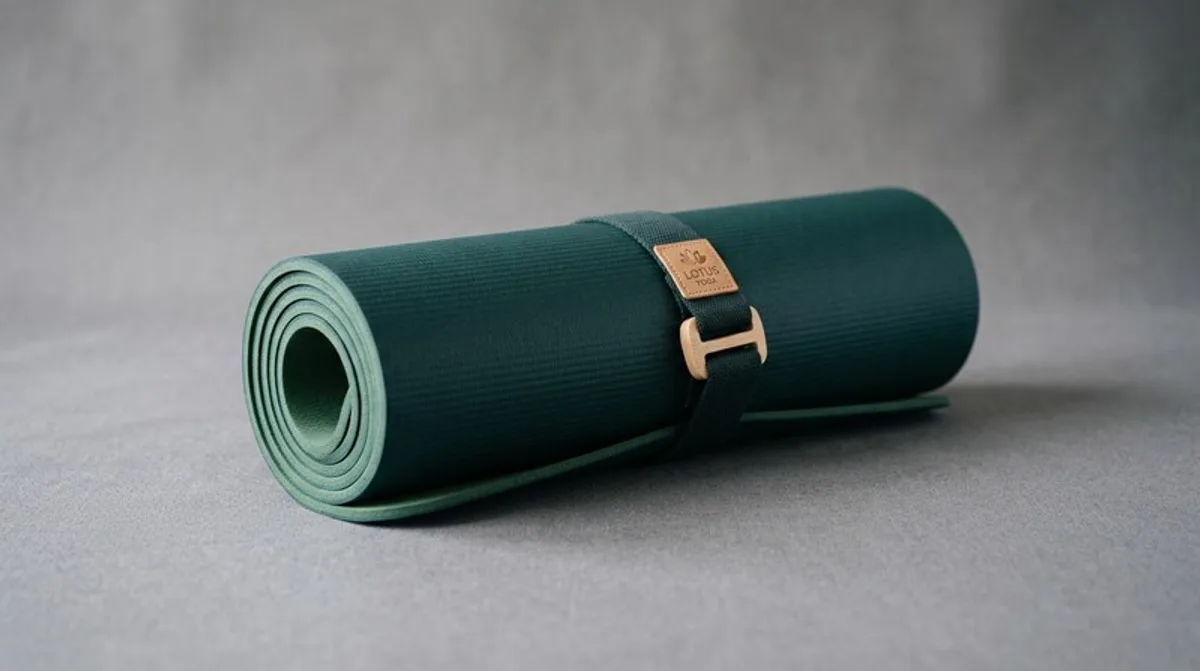
Yoga Mat: Classic and versatile. Often made from PVC, natural rubber, or TPE. It offers a good balance between cushioning and grip. Ideal for yoga, Pilates, and gentle stretching.
Fitness Mat: More robust and thicker than a yoga mat. Provides more cushioning for exercises with weights or jumps. Commonly made from PVC or rubber.
Pilates Mat: Usually thinner and softer than other mats to allow for greater proximity to the floor and promote proprioceptive awareness. Often made from PVC or TPE.
Anti-Slip Mat: The focus here is on grip. Important for those who train on slippery floors or want a particularly secure surface. Many mats already have an anti-slip coating.
Training Mat: A general term that covers all types of mats for sports activities.
Meditation Mat: Often made from natural materials to create a particularly pleasant and grounded atmosphere. Can also be thicker for more comfort when sitting.
Floor Protection Mat: Protects the floor from scratches and wear, especially important when using weights or other heavy equipment. Can also serve as a base for a training mat.
Materials Comparison:
- PVC (Polyvinyl Chloride): Inexpensive, but not environmentally friendly. Can release chemical emissions (VOCs).
- Natural Rubber: Offers excellent grip and is more environmentally friendly than PVC. However, it may have a rubbery odor and is not suitable for allergy sufferers.
- TPE (Thermoplastic Elastomer): A good alternative to PVC and natural rubber. More environmentally friendly, odorless, and offers good grip.
- Rubber: Durable and offers good grip, but can also have an odor and may not be suitable for all materials.
The Right Thickness: Thin mats (under 3mm) are light and easy to transport, but offer less cushioning. Thick