
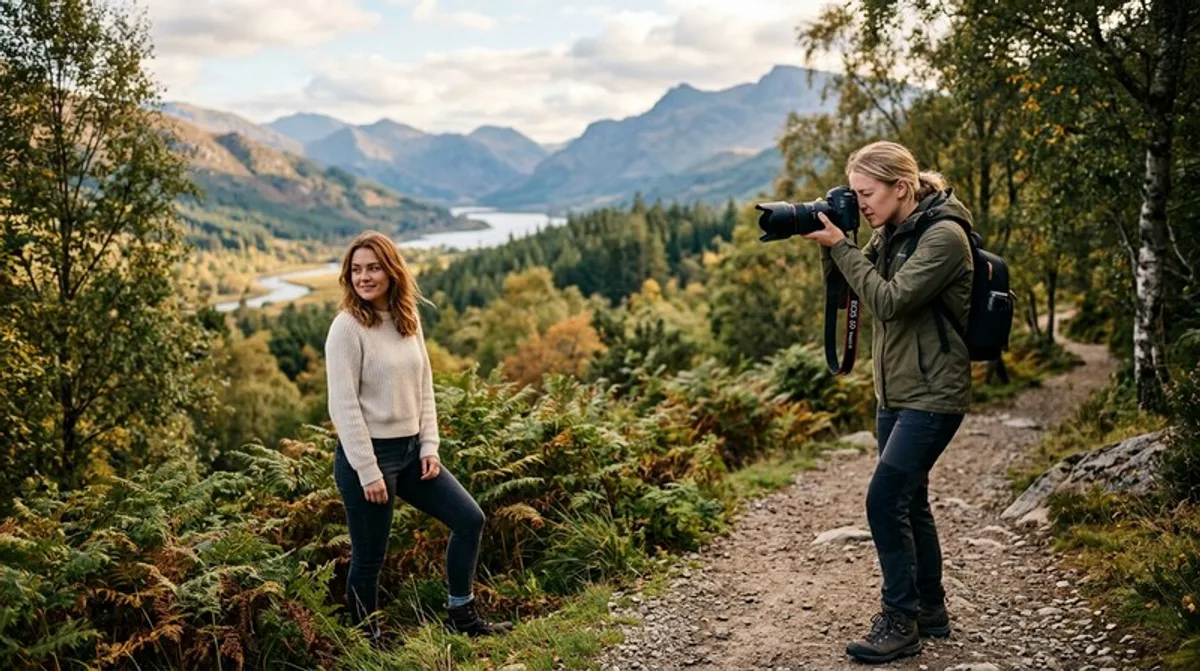
The Best Camera for Outdoor Photography: DSLR Guide
Outdoor photography requires robust equipment. We'll show you which DSLR camera and accessories are best suited for stunning nature shots and where to find great deals.
Outdoor photography holds a unique appeal. Whether it's breathtaking mountain landscapes, peaceful forest lakes, or the fascinating play of light on a meadow – the ability to capture these moments for eternity is priceless. But which camera is the right companion for your outdoor adventures? In this guide, we'll accompany you on your journey to the optimal equipment and give you practical tips to elevate your photography to a new level.
What You Should Know
Choosing the right camera for outdoor photography depends on various factors. It's not just about the megapixel count, but also about robustness, weight, weather resistance, and the quality of the lenses. A DSLR (Digital Single-Lens Reflex) is often the first choice for ambitious photographers, but other options like mirrorless cameras are also available. Let's explore the pros and cons:
DSLRs: The Classic with Strengths
DSLRs have been the workhorses for professional and ambitious photographers for years. They offer a variety of advantages, including a wide selection of lenses, a robust construction, and an optical viewfinder that provides you with a direct, unadulterated view of the scene. The exposure metering is generally very precise, which is an advantage in difficult lighting conditions, as often occur in outdoor photography. However, DSLRs are often larger and heavier than mirrorless cameras, which can be a burden on longer hikes.
Mirrorless Cameras: The Modern Alternative
Mirrorless cameras have gained enormous popularity in recent years. They are generally lighter and more compact than DSLRs, but still offer excellent image quality and many features. The electronic viewfinder (EVF) allows you to see the exposure and other settings in real time before you press the shutter. However, battery consumption can be higher in mirrorless cameras, which can be a problem in remote areas.
Smartphone Cameras: For Quick Snaps
Even though smartphone cameras have made progress in recent years, they cannot match DSLRs or mirrorless cameras in terms of image quality and flexibility. However, they are a practical option for quick snapshots and documentation on the go.