
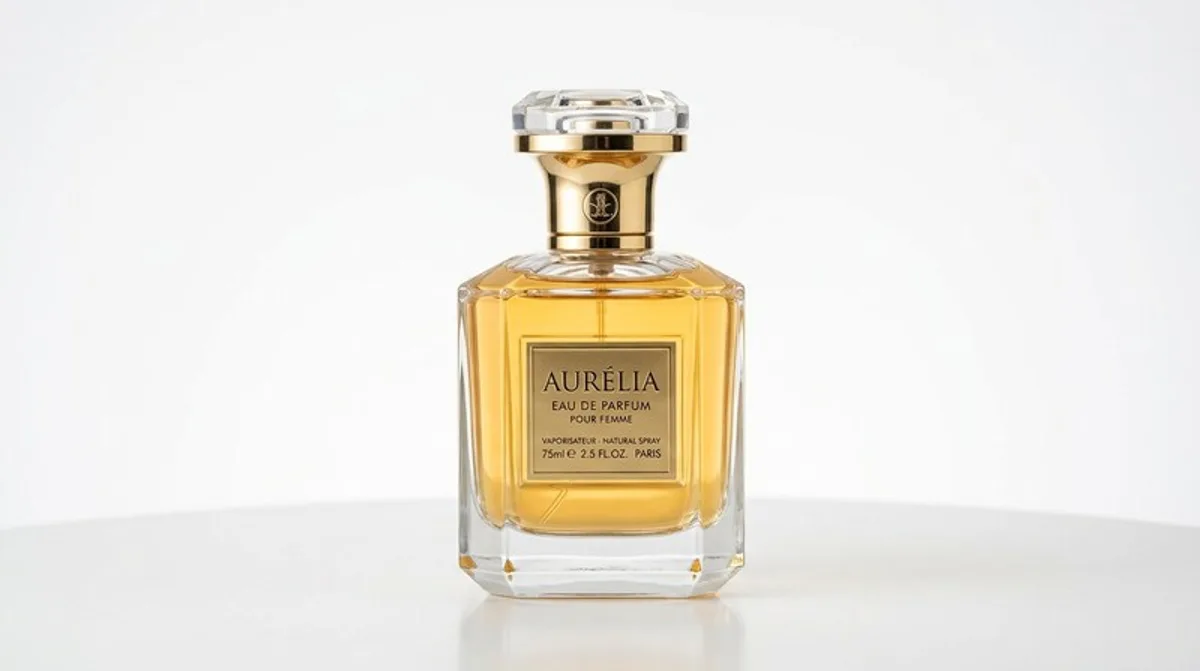
Perfume Bottles: Design, History & Collectibles
Perfume bottles are more than just containers – they're works of art and a reflection of the brand. Dive into the world of iconic designs, historical developments, and coveted collectibles.
Perfume is more than just a scent. It's an expression of personality, a feeling, a memory. And often, it's also a work of art – not just the composition of the fragrances, but also the packaging, the bottle, plays a crucial role. From simple to opulent, from historical to futuristic: perfume bottles tell stories and have long become coveted collectibles. Let's dive into the fascinating world of perfume bottles!
What You Should Know
The history of the perfume bottle is closely linked to the development of perfume making. Originally, perfumes were stored in simple clay pots or leather pouches. With the advent of glassmaking in the 17th century, the design of the bottles also began to change. The first glass bottles were often simple and functional, primarily serving to protect the precious contents. Over time, they became increasingly elaborate and artistic, reflecting the spirit of the times and serving as brand advertising.
A key turning point was the 19th century, when the perfume industry flourished in France. The famous perfume houses like Guerlain, Coty, and Houbigant began collaborating with renowned glassblowers and designers to create unique and luxurious bottles. The Art Deco era of the 1920s and 1930s brought geometric shapes and minimalist designs, while the post-war period saw a return to more playful and feminine shapes. Today, perfume bottles are an integral part of a brand's image and are often presented in elaborate marketing campaigns.
The materials used for perfume bottles are diverse. In addition to glass, crystal, plastic, metal, and even ceramic are common. The shape and design of the bottle can vary greatly, from classic round or square shapes to sculptural and abstract designs. Decoration also plays an important role: engravings, paintings, applications of gemstones or metals give the bottles an extra touch of luxury and exclusivity. A particular focus is now also on sustainability, so more and more brands are using recycled materials or reusable bottles.
Some legendary perfume bottles that are still admired and collected today include the bottle of Chanel No. 5, which is characterized by a minimalist geometric design, or the bottle of Lalique, which is known for its elaborate crystal engravings. The bottles of Baccarat and Cristalleria Murano are also coveted collectibles, as they stand for exceptional craftsmanship and timeless elegance.
- Research the history: Inform yourself about the history of specific perfume houses and their bottles.
- Recognize design styles: Learn to recognize the different design styles (Art Deco,