
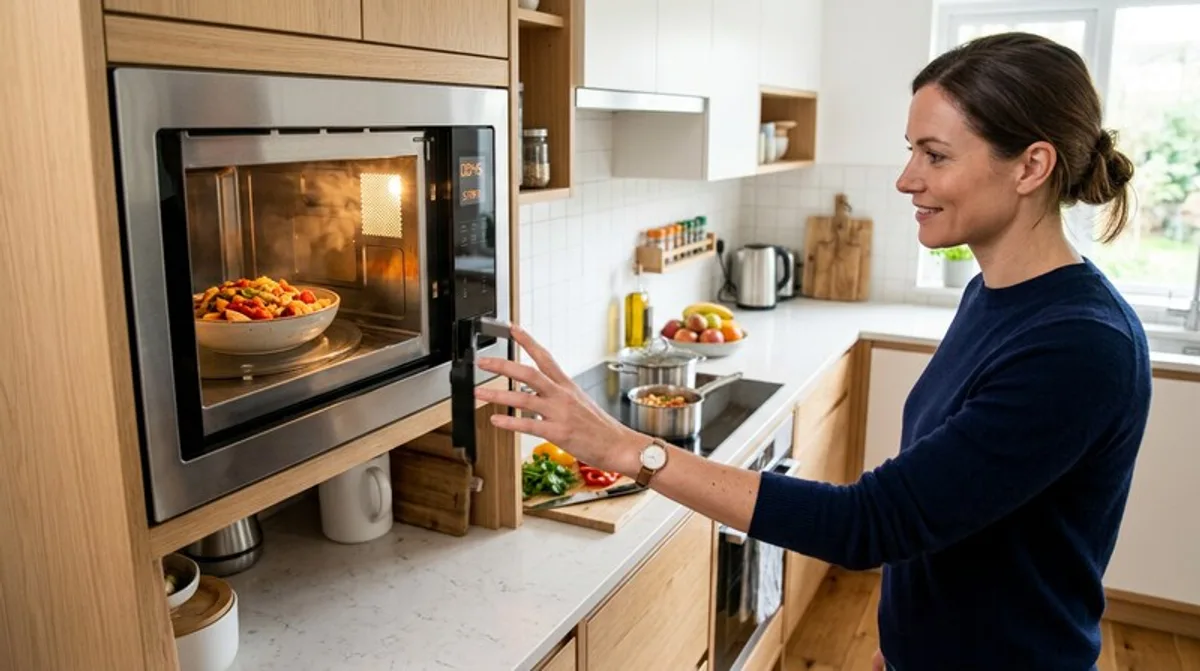
Microwave Kitchen: Reheating & Everyday Tips
The microwave is an indispensable helper in every kitchen. We'll show you which models are best for reheating and how to save money while doing so.
The microwave – an indispensable helper in almost every kitchen. Whether for a quick reheat after a long workday or thawing vegetables, it's practical and saves time. But who hasn't asked themselves: How do I get the food really optimally warm and avoid dry or unevenly heated portions? In this blog post, we'll show you everything you need to know about the microwave in your kitchen and give you practical tips for everyday life.
What You Should Know
The microwave works by using microwaves that cause water molecules in food to vibrate. This vibration generates heat, which warms the food. It's important that not all materials are suitable for the microwave. Metal reflects microwaves and can lead to sparks and damage to the appliance. Plastics can melt if they are not microwave-safe. There are also special considerations when reheating certain foods.
- Suitable Containers: Use only containers made of glass, ceramic, or microwave-safe plastics. Look for the corresponding symbol on the bottom of the container.
- Avoid Metal: Anything metallic (aluminum foil, metal coatings, cutlery) does not belong in the microwave.
- Food Safety: Make sure the food is well covered. This prevents splatters and keeps the moisture in the food. Special microwave lids or a plate are ideal for this.
- Uneven Heating: Many microwaves don't heat evenly. Stir the food during reheating or turn it over to achieve a more even temperature.
- Power Levels: Use the different power levels of the microwave. A lower power is better suited for delicate foods or small portions.
Practical Tips
Reheating in the microwave can be easy if you know a few tricks. Here are some tips to make your life easier:
- Rice and Pasta: Add a tablespoon of water before reheating rice or pasta. This prevents them from drying out. A damp kitchen towel over the container can also help retain moisture.
- Bread and Rolls: Place a damp piece of kitchen paper around the bread or roll to make it moist again.
- Vegetables: Vegetables often cook faster in the microwave than other foods. Add some water and choose a lower power level.
- Meat and Fish: Always cover meat and fish when reheating to keep them moist. Make sure they are thoroughly heated to avoid health risks.
- Thawing: Use the defrost function of the microwave.