
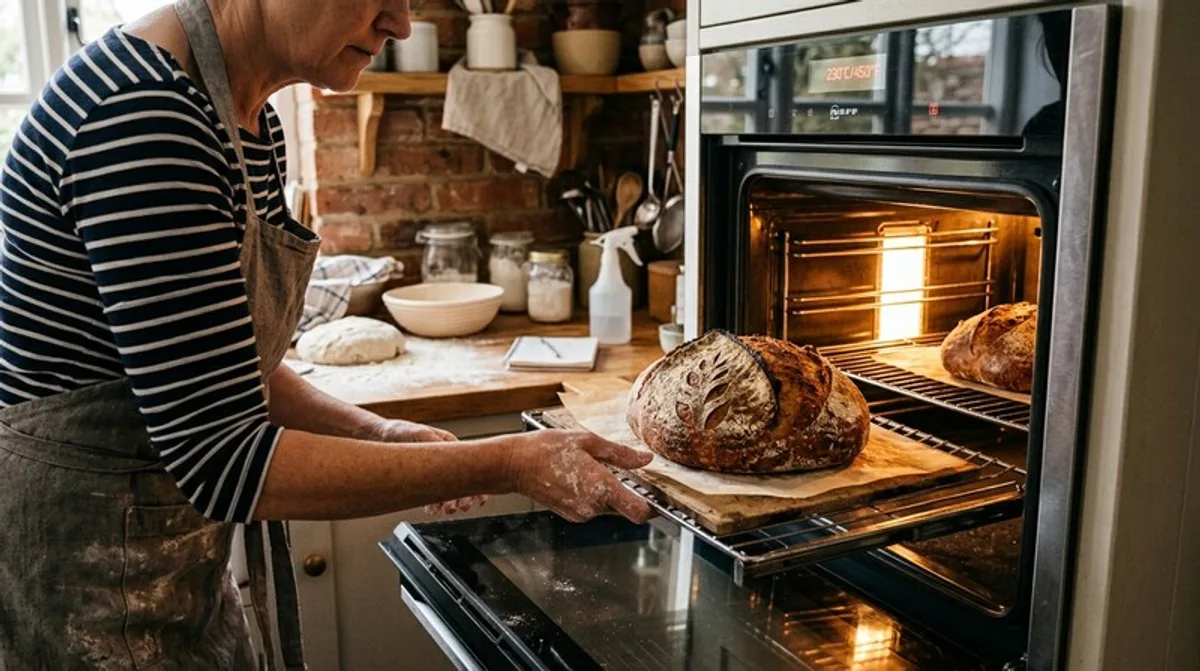
Baking Your Own Oven Bread: Easy Recipes & Tips
Baking is fun, and homemade bread simply tastes incomparable. Discover easy recipes and helpful tips for your oven baking project with us.
The smell of freshly baked bread is simply unbeatable! More and more people are discovering the joy of baking their own bread – and for good reason. Baking your own oven bread is not only incredibly satisfying, but also a great way to take control of the ingredients and enjoy something delicious. This blog post shows you how to get started and gives you valuable tips for the perfect loaf.
What You Should Know
Before you dive into baking, there are a few basic things you should know about bread making. It's more than just mixing ingredients and putting it in the oven. The right dough development, temperature, and baking time are crucial for the result. Bread baking is a science, but not a complicated one! With a little practice and the right tips, you'll soon be creating wonderful breads.
An important aspect is the flour. There are different types of flour that vary in their gluten development. All-purpose flour is a good all-rounder for beginners, rye flour provides a more rustic flavor and a denser bread. The yeast also plays an important role. You can use fresh yeast, dry yeast, or sourdough – each approach has its advantages and disadvantages. Fresh yeast is a bit more delicate, dry yeast is easier to handle, and sourdough requires more time and patience, but rewards you with an incomparable taste.
- Ingredients: Flour, water, yeast (or sourdough), salt. It doesn't get much simpler than that!
- Equipment: A bowl, a measuring cup, a spoon or a stand mixer, a baking sheet or a Dutch oven, an oven!
- Dough Development: Give the dough time to rise. This takes different amounts of time depending on the type of yeast and room temperature.
- Shaping: Shape the dough into a ball or a loaf. This takes a little practice, but it's worth it!
- Baking: Bake the dough in the preheated oven. The baking time varies depending on the type of bread and size.
Practical Tips
Here are a few practical tips to make bread baking easier:
- Good Water: Use filtered water for better flavor.
- Dough Temperature: Pay attention to the dough temperature. Too warm or too cold can affect yeast activity.
- Kneading: Knead the dough sufficiently so that the gluten develops and an elastic dough is formed.
- Rising: Let the dough rise in a warm place until it has doubled in size.
- Scoring: Score the surface of the dough before baking so that it tears in a controlled way as it rises.
- Steam: Add some steam to the oven to achieve a crispy crust. You can do this by placing a bowl of hot water on the oven floor